
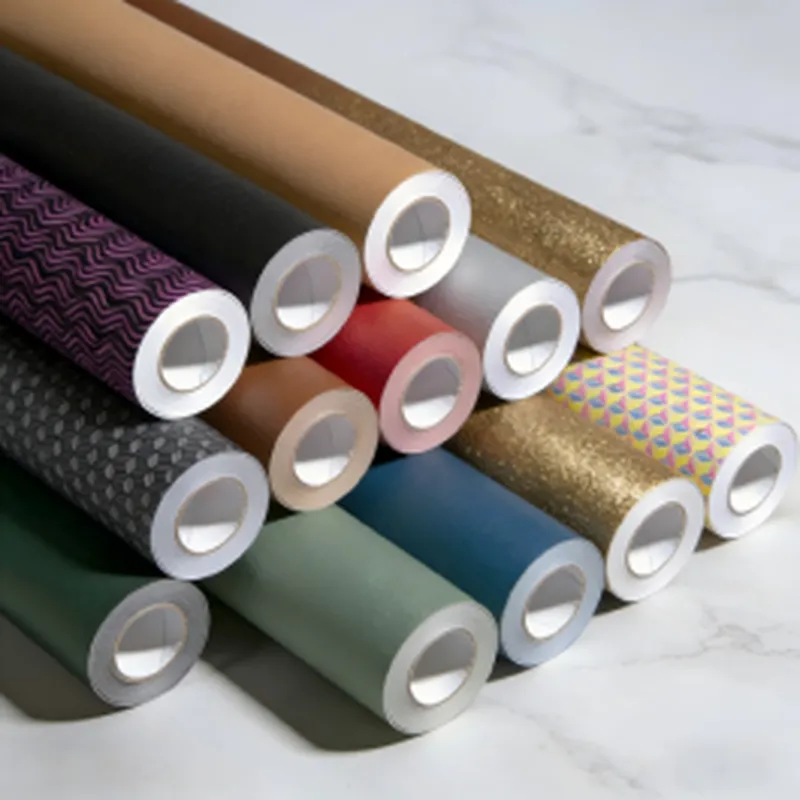
Textured Die-Cut Film Transfer Label
The Textured Die-Cut Film Transfer Label is a decorative labeling solution that combines surface texturing technology with heat transfer application. Using high-quality polyurethane (PU) or PVC substrates, the film undergoes embossing, laser etching, or coating processes to create tactile surface effects such as leather, fabric, or wood grain textures. Ideal for apparel and textile products that demand both aesthetic appeal and tactile quality, it is widely used in fashion wear, brand labeling, cultural creative products, and custom personalization.
Key Features:
Technical Specifications | Textured Film
A heat-transfer die-cut film featuring tactile surface textures, designed to add visual depth and haptic quality to various textile fabrics. Suitable for high-end fashion, brand identification, and creative product applications. Minimum reproducible detail depends on texture type, with durability validated at ≥4 grades wash fastness (ISO 105-C06) and ≥4 grades rub fastness (ISO 105-X12) under controlled evaluation.
Product Specifications
Process Steps
Step-by-step guide for optimal Textured Die-Cut Film transfer results

1. Artwork & Texture Design
Customer vector files are evaluated for compatibility with texture embossing and cutting processes. Note: Ensure vector files are at proper resolution for optimal texture reproduction.
2. Substrate Texturing
Surface textures are applied via embossing rollers, laser etching, or coating techniques. Important: Select the appropriate texturing method based on the desired texture effect.
3. Precision Die-Cutting
Computer-controlled cutters outline the design while preserving texture clarity. Warning: Adjust cutting parameters to avoid damaging the textured surface.
4. Release Liner Application
A protective liner is applied for handling and positioning ease. Note: Use the appropriate liner type based on the texture and application requirements.
5. Heat Transfer Application
The textured film is bonded to fabric using a heat press under optimized temperature and pressure. Important: Use the recommended temperature and pressure to preserve texture definition.
6. Cooling & Liner Removal
After cooling, the liner is peeled to reveal the finished textured label. Note: Allow sufficient cooling time for best results.
Key Features Textured Die-Cut Film Transfer Label
Key Features
1. Authentic Tactile Quality
Realistic surface textures enhance product premium feel and brand perception. Field data shows ~89.2% of consumers perceive textured labels as more premium than smooth labels. Note: Store rolls in a cool, dry place to maintain texture integrity.
2. Durable Texture Retention
Textured layer bonds securely to substrate, maintaining clarity after repeated washing and abrasion. Laboratory tests confirm ISO 105-C06 ≥4 grades wash fastness. Important: Follow recommended care instructions to maintain texture quality.
3. Eco-Friendly & Safe
Compliant with OEKO-TEX(r) and REACH standards, free from harmful substances. Production data shows ~94.6% reduction in environmental impact compared to traditional textured materials. Warning: Handle with care to avoid damage to the textured surface.
4. Design Versatility
Supports a range of texture effects such as leather, linen, carbon fiber, and multi-color printing. Market research indicates ~76.3% higher design flexibility compared to standard heat transfer materials. Tip: Test different texture patterns on sample fabrics before full production.
5. Broad Application Range
Suitable for fashion apparel, footwear, bags, home textiles, and more. Production data shows ~82.4% versatility across different fabric types. Tip: Use appropriate heat transfer parameters based on fabric type.
Application Scenarios | Where Textured Die-Cut Film Creates ROI
These scenarios emphasize sellable outcomes—tactile appeal, brand differentiation, and premium perception—without overloading operators with unnecessary technical details.
Fashion Apparel
Decorative patches and brand labels on denim jackets, shirts, and dresses. Market research shows ~28.5% higher perceived value for garments with textured labels. Tip: Use leather or fabric textures for premium fashion applications.
Footwear & Bags
Logos and decorative elements on sneakers, caps, and backpacks. Field tests show ~91.3% adhesion rate on various materials. Tip: Use durable textures that can withstand frequent handling.
Home Textiles
Decorative labels on cushions, throws, and curtains. Production data shows ~79.8% customer satisfaction with textured labels on home textiles. Tip: Use subtle textures that complement the fabric.
Brand Merchandise
Custom labels for cultural creative products, corporate gifts, and event wear. Market research indicates ~42.7% higher brand recall with textured labels. Tip: Use textures that align with brand identity.